Our Methods
Montessori & Reggio Emilia
While following the government’s Early Years Foundation Stage (EYFS) standards, the Montessori method is the foundation of our approach to teaching and learning while we use the Reggio Emilia philosophy as an inspirational model.
We stimulate children’s cognitive, physical and emotional intelligence through attentive observation of children’s individual interests and needs. Like Dr. Maria Montessori, we believe that children’s minds need to be nourished as well as their bodies at any age and it is a child’s fundamental right to receive such support.
The Montessori Method

Why Montessori?
There are many ways that a Montessori education can benefit your child, these are just a few:
Achieving their fullest potential
The Montessori approach respects the uniqueness of every child. Each child’s education is tailored to their needs and guided by their own passion and readiness, ensuring that they reach their fullest potential.
Independence
Creativity
Balance
Self-discipline and self-control
Real-world skills
Respect, kindness, and empathy
Early literacy
What is the Reggio Emilia philosophy?
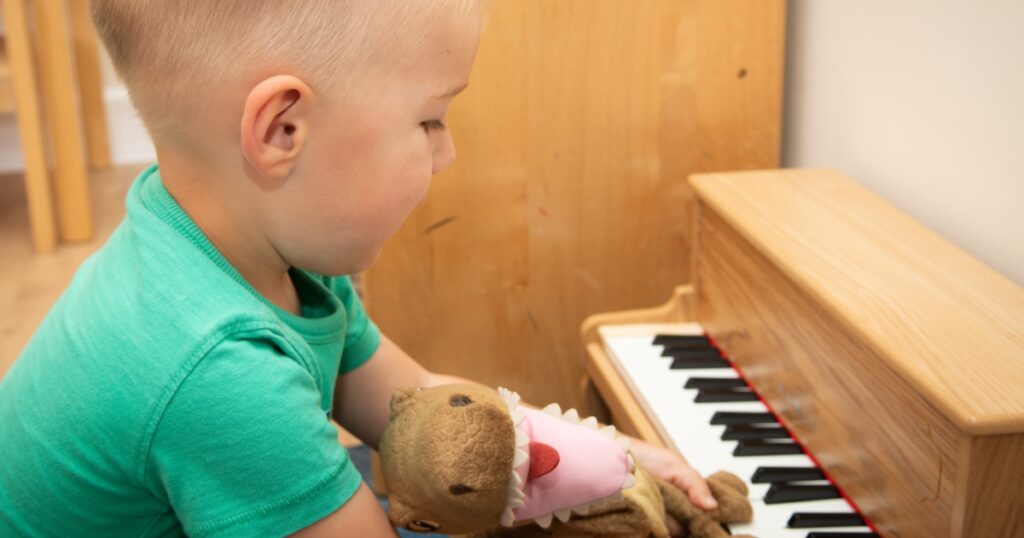
We are inspired by the Reggio Emilia philosophy that considers it fundamental to offer children every possible means of expression. Children are encouraged to explore their environment and express themselves through a variety of possibilities, not only by using spoken language, but also through dramatic play, drawing, painting, building, making sculptures, shadow play, collage, music, emerging writing and gestures, to name but a few.
Particular attention is paid to helping the child understand their own patterns of thinking, through which self-awareness and self-confidence is developed and every learning experience is enhanced.


Classrooms are organised to support a collaborative, problem-solving approach to learning.
Children are encouraged to understand what other children’s thoughts and feelings are, offering the opportunity to develop the sense of being in ‘somebody else’s shoes’, developing empathy, understanding and acceptance of diversity.
The Reggio Emilia philosophy considers it very important to create space for an ongoing dialogue between children and adults where they learn from each other while generating awareness of the value of relationships.